Every summer, letters and postcards from local students populate the desks of Colorado state representatives and senators. This annual letter writing campaign allows kids the opportunity to detail what they love and appreciate most about the afterschool programs they participate in, while also giving representatives valuable first-hand insights into how important these programs are.
In 2023, one such letter found its way to the desk of District 55 Representative Rick Taggart, who learned that an afterschool program in his city of Grand Junction had lost its primary streams of funding. With support from numerous organizations across Colorado, including the Colorado Children’s Campaign, two state senators and two state representatives provided bipartisan sponsorship for HB24-1331 or the “Out-of-School Time Grant Program.”
Funding for afterschool programs varies widely from state to state but is generally unreliable, especially in Colorado. Before 2020, afterschool programs in Colorado were primarily funded by the Nita M. Lowey 21st Century Community Learning Centers (21st CCLC), a competitive federal level grant program that provided the state with around $11.5 million dollars for afterschool programing in 2019.
The introduction of the federal grant program Elementary and Secondary School Emergency Relief (ESSER) included additional funds for afterschool programs and kept many Colorado afterschool programs operational over the last 3 years. However, this ESSER fund was scheduled to end in fall 2024, meaning the afterschool programs that relied on these funds would have faced a fast-approaching funding cliff if not for HB24-1331.
The Out-of-School Time Grant Program will provide $3.5 million in funding per year to Colorado afterschool programs over the next three years, a 30% increase in funding compared to 21st CCLC in 2022.
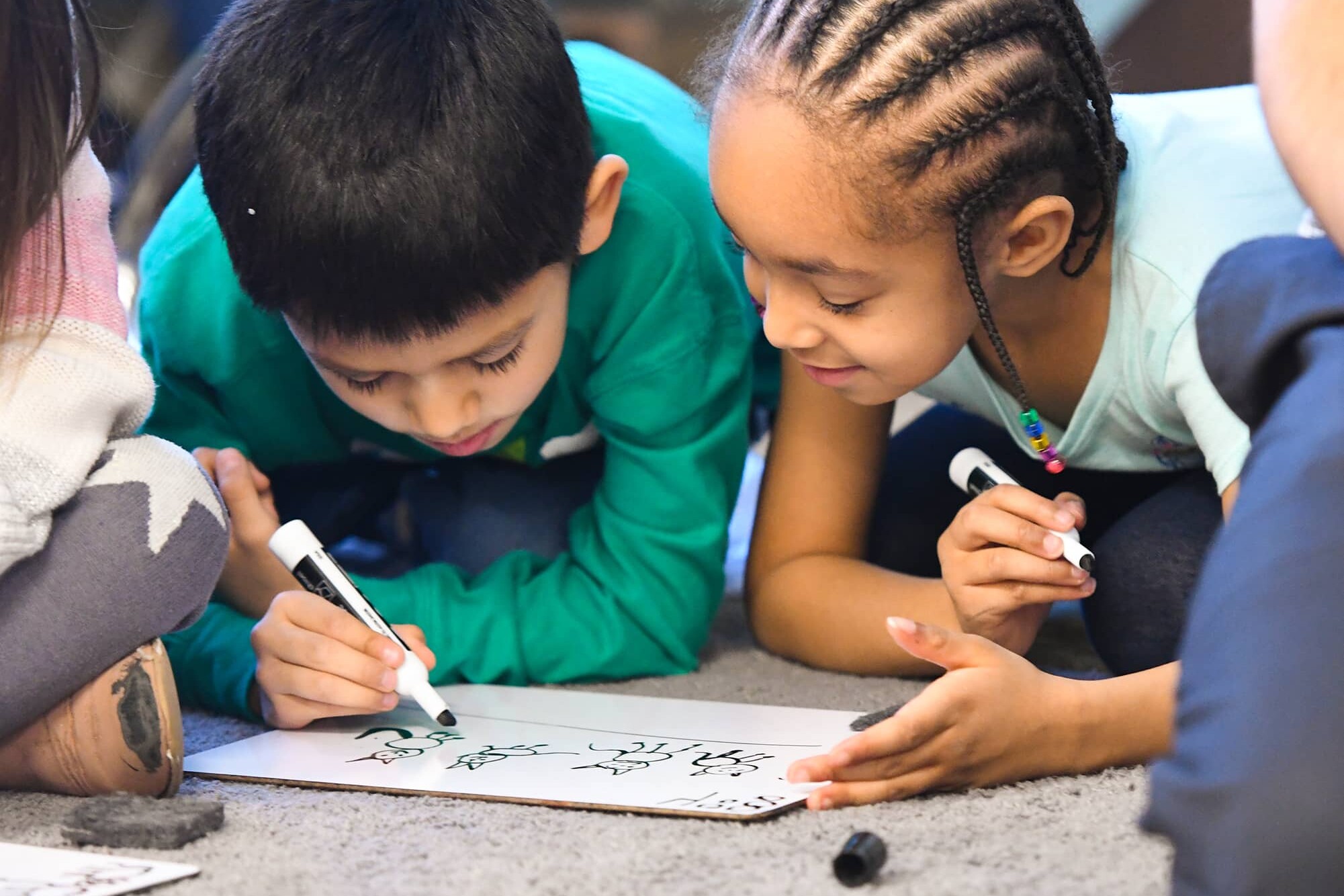
Afterschool programs are immensely positive for both students and parents alike, helping to facilitate academic, emotional, and social growth, while keeping kids away from risky activities and promoting physical and mental health. Afterschool programs also give many of the over 140,000 school-aged kids in Colorado, who would otherwise be unsupervised and alone from 3:00 – 6:00 p.m., a safe place to go after the school bell rings.
As for parents, afterschool programs alleviate the pressure of 3:00 p.m. pickup, allowing them to stay at work with the knowledge that their child is both safe and involved.
These benefits are especially important to families in rural areas. Similar programs can be difficult to come by in less densely populated areas, leaving parents with little to no options for out-of-school time programs.
Kelly Streck, the executive director of the Colorado Afterschool Alliance, calls this a massive victory for the state.
“It is a clear benefit; it is a huge win for Colorado,” Streck explains. “Yes, there’s funding, yes there’s raising awareness about out-of-school time and the need for [funding], and that it passed both the house and the senate with support is fantastic.”
The bill is estimated to serve about 15,000 young Coloradans annually while helping many afterschool programs stay in operation as funding options continue to shrink.
In time, the Colorado Children’s Campaign hopes to promote and achieve more comprehensive coverage within the Out-of-School Time Grant Program, allowing children in more rural places to benefit from this monumental bill. Additionally, we hope to see an increase in the pot of total funds available, allowing more programs to receive funding, thus opening the door for more Colorado kids and families to feel the proven benefits of afterschool programs.
Streck also hopes the grant program will evolve and grow so that more programs become available to Colorado students, especially in rural parts of the state.
“The bill is specifically for the comprehensive programs that fit the need of the hours. There are so many other programs, in my research rural programs, that won’t qualify with the hours,” said Streck.